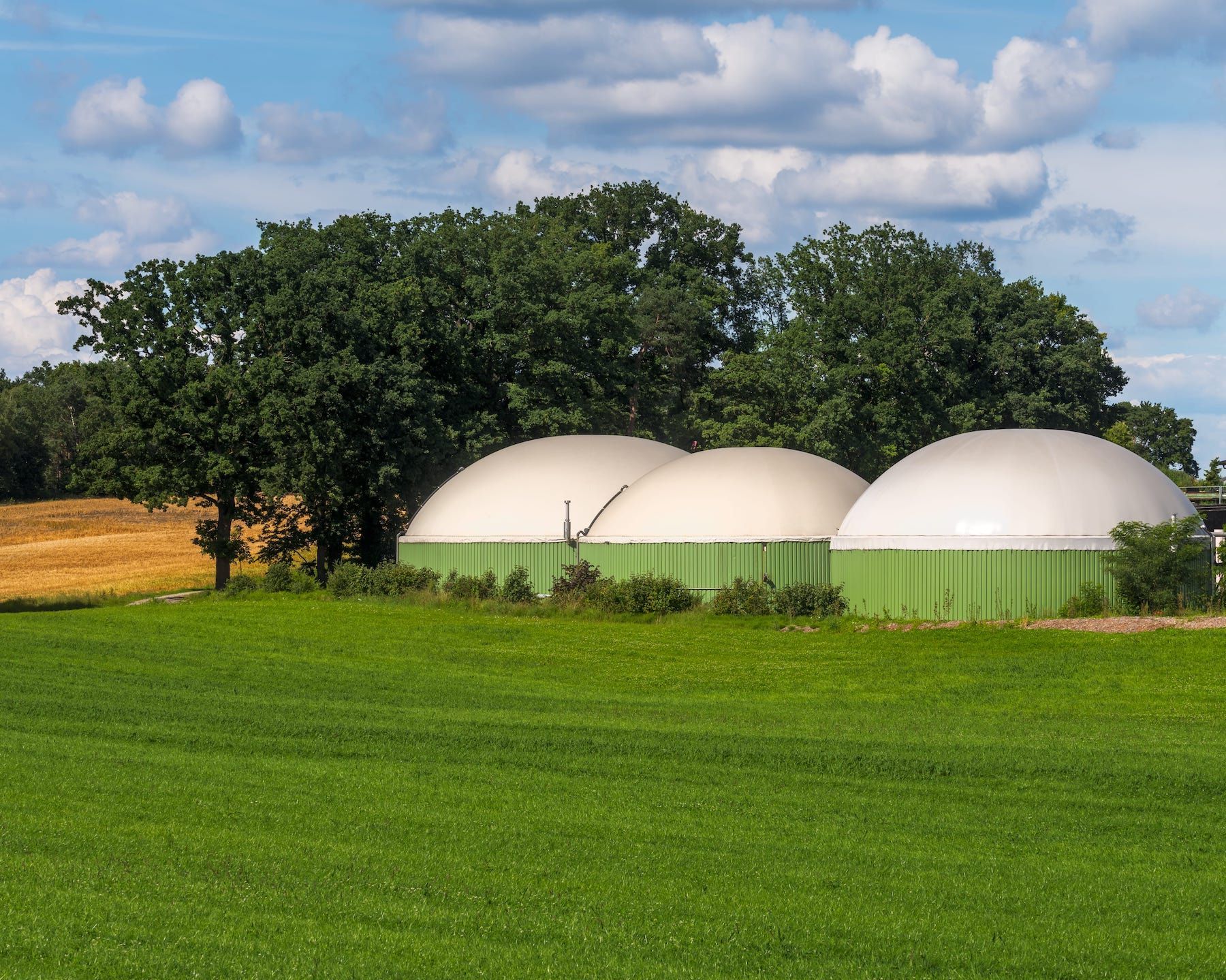
Anaerobic Digestion Scheme Supported at Appeal
The operation of an Anaerobic Digestion plant has been varied by an Inspector at appeal, after he recognised that AD plants could be acceptable forms of countryside development in their own right that did not need to be tied operationally to a particular farm. Specifically, the Inspector stated in relation to policies in the Council’s new Local Plan that:
“these do not specifically preclude what is now being proposed, that is, a renewable energy scheme and an employment generating development that does not have a specific tie to a particular farming enterprise.”
These comments were made in relation to an appeal which sought to lift the conditions that tied an AD scheme to a particular group of farms that had supported the original scheme. Planning conditions were put in place at the time the plant was first built that prevented the plant from taking feedstock from other farms in the area of the plant.
On behalf of the appellants, Prism had challenged the current need for such restrictions, arguing that it was more important to ensure the plant could operate as flexibly as possible and that there was no longer any need to restrict the source of the feedstocks.
The Inspector agreed that the AD industry had moved on since the plant was first put forward and there was clear support for an efficient renewable energy sector in the National Planning Framework. The Inspector noted Prisms arguments about the nature of the feedstocks not changing as a result of the plants operators being free to source feedstock from wherever it might be available, noting that the costs of transport would naturally prevent it moving large distances by road.
He agreed that the Council’s concerns were overly cautious and restrictive and granted permission for the plant to operate independently, but using the same broad types of feedstock, sourced from wherever the operators wished to obtain it.
This decision is one of the first decisions to come through relating to what may now be regarded as a mature renewable energy sector and it will be of interest to a number of owners and operators of first-generation plants that were tied to a particular farm when they were built. Anyone in this position may well be able to benefit from this decision and here at Prism we would be pleased to talk to you.